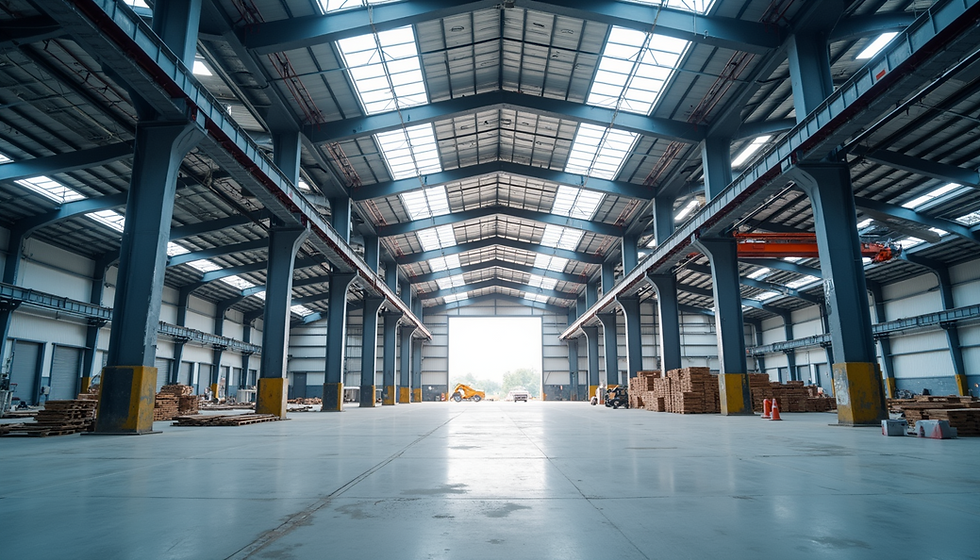
Building in Canada today requires more than just traditional methods. With evolving technology, environmental concerns, and the need for cost-effective solutions, modern construction strategies have become essential. Whether you are developing industrial facilities, commercial spaces, or large-scale projects, understanding these strategies can help you achieve better results faster and with less waste.
Embracing Modern Construction Strategies in Canada
Modern construction strategies focus on improving efficiency, sustainability, and quality. These approaches often combine innovative materials, advanced design techniques, and streamlined project management. For example, pre-engineered steel buildings have gained popularity because they reduce construction time and provide durable, flexible structures.
One key aspect is the use of modular construction. This method involves fabricating building components off-site in controlled environments. Once ready, these modules are transported and assembled on-site. This reduces weather-related delays and improves safety. Additionally, modular construction often results in less material waste, which aligns with environmental goals.
Another important strategy is integrating Building Information Modeling (BIM). BIM allows teams to create detailed 3D models of a project before construction begins. This helps identify potential issues early, coordinate between different trades, and optimize resource allocation. The result is a smoother construction process with fewer costly changes.

Key Benefits of Modern Construction Strategies
Why should you consider modern construction strategies? The benefits are clear and impactful:
Speed: Projects can be completed faster due to prefabrication and better planning.
Cost Savings: Reduced labor hours and minimized material waste lower overall expenses.
Quality Control: Factory-built components ensure consistent quality and precision.
Sustainability: Efficient use of materials and energy-saving designs reduce environmental impact.
Flexibility: Structures like pre-engineered steel buildings can be easily expanded or modified.
For instance, pre-engineered steel buildings are ideal for industrial and commercial uses. They offer strength, durability, and quick assembly. These buildings can be customized to fit specific needs, such as warehouses, manufacturing plants, or retail spaces.
If you want to explore more about efficient construction methods, you will find that these strategies not only improve project outcomes but also enhance long-term building performance.
Innovative Materials and Technologies Shaping Construction
Materials play a crucial role in modern construction. Steel, for example, is favored for its strength-to-weight ratio and recyclability. Advances in steel fabrication allow for precise cuts and connections, reducing on-site adjustments.
In addition to steel, industrial fabrics are becoming popular for certain building types. These fabrics can be used for roofing or walls, providing lightweight, weather-resistant solutions. They are especially useful for temporary or semi-permanent structures.
Technology also drives innovation. Drones are now used for site surveys and inspections, providing real-time data without risking worker safety. Robotics and automation help with repetitive tasks, increasing accuracy and reducing human error.
Energy-efficient systems are integrated into modern buildings as well. Solar panels, LED lighting, and smart HVAC controls contribute to lower operating costs and a smaller carbon footprint.

Practical Tips for Implementing Modern Construction Strategies
If you are considering adopting these strategies, here are some practical steps to get started:
Assess Your Project Needs: Understand the scope, timeline, and budget. Identify which modern methods align best with your goals.
Choose the Right Materials: Opt for durable, sustainable materials like pre-engineered steel or industrial fabrics.
Partner with Experienced Suppliers: Work with companies that specialize in modern construction solutions to ensure quality and reliability.
Leverage Technology: Use BIM and project management software to improve coordination and reduce errors.
Plan for Flexibility: Design buildings that can adapt to future changes or expansions.
Focus on Sustainability: Incorporate energy-efficient systems and waste reduction practices.
By following these steps, you can maximize the benefits of modern construction strategies and deliver projects that meet high standards of quality and efficiency.
Looking Ahead: The Future of Construction in Canada
The construction industry in Canada is evolving rapidly. As urbanization increases and environmental regulations tighten, the demand for innovative building solutions will grow. Modern construction strategies will continue to play a vital role in meeting these challenges.
Emerging trends include greater use of automation, smart building technologies, and circular economy principles. These developments promise to make construction even more efficient and sustainable.
For businesses seeking reliable and cost-effective building solutions, staying informed about these trends is essential. Investing in modern construction strategies today can lead to long-term savings and improved project outcomes.
By embracing these modern construction strategies, you can build smarter, faster, and greener. Whether you are developing industrial facilities or commercial properties, these approaches offer practical advantages that make a real difference. Why not explore how these methods can transform your next project?