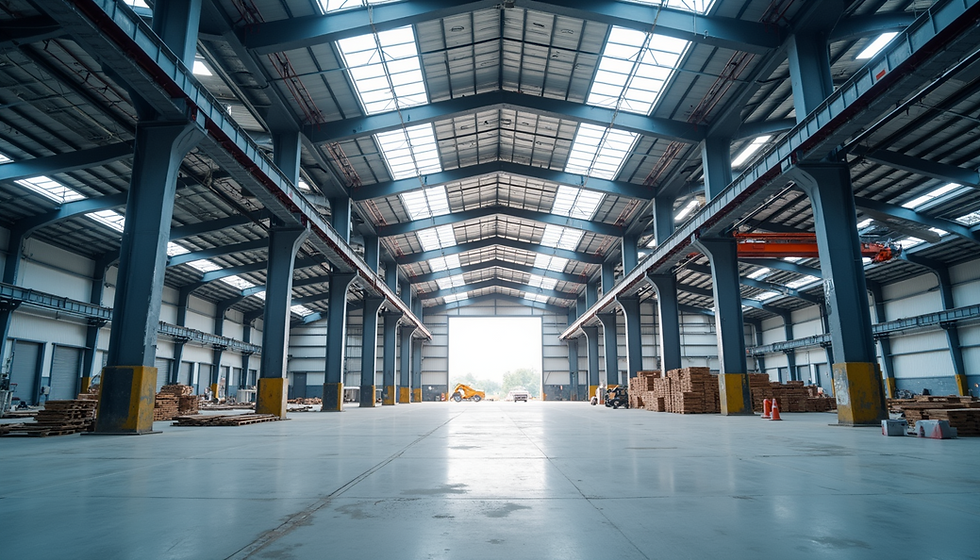
When it comes to building durable, cost-effective, and versatile facilities, industrial steel structures stand out as a top choice. Their strength, flexibility, and speed of construction make them ideal for a wide range of industrial and commercial uses. In this post, I will explore the key applications of these structures, highlighting how they meet the needs of various industries and projects.
Why Choose Industrial Steel Structures?
Steel structures offer several advantages over traditional building materials like wood or concrete. They are strong yet lightweight, resistant to pests and fire, and can be prefabricated for faster assembly on site. This means less downtime and lower labour costs. Additionally, steel is recyclable, making it an environmentally friendly option.
For businesses looking to expand or build new facilities, steel structures provide a reliable framework that can be customized to specific requirements. Whether you need a warehouse, manufacturing plant, or commercial space, steel buildings can be designed to fit your exact needs.
Common Applications of Industrial Steel Structures
Warehouses and Storage Facilities
One of the most common uses of industrial steel structures is for warehouses. These buildings require large, open interior spaces without columns interrupting the floor area. Steel frames allow for wide spans and high ceilings, making it easier to store goods efficiently.
Steel warehouses can be equipped with loading docks, mezzanines, and climate control systems. Their durability ensures protection against weather and pests, which is crucial for preserving inventory.
Manufacturing Plants and Workshops
Manufacturing facilities benefit greatly from steel structures because they can support heavy machinery and equipment. The flexibility of steel allows for easy modifications or expansions as production needs change.
Workshops also require good lighting and ventilation, which can be integrated into steel buildings through skylights and large windows. The robust nature of steel ensures safety and longevity in these demanding environments.

Agricultural Buildings
Steel structures are increasingly popular in agriculture for barns, storage sheds, and equipment shelters. They provide protection from the elements and pests, which is essential for crops, livestock, and machinery.
These buildings can be quickly erected and customized with features like ventilation systems and insulated panels to maintain optimal conditions for farming operations.
Commercial and Retail Spaces
Beyond industrial uses, steel structures are also suitable for commercial buildings such as retail stores, showrooms, and office spaces. Their modern appearance and flexibility in design allow businesses to create attractive and functional environments.
Steel buildings can be finished with various exterior materials to match branding or aesthetic preferences, making them a versatile choice for commercial developers.

How Industrial Steel Buildings Support Efficiency and Cost-Effectiveness
Using industrial steel buildings can significantly reduce construction time and costs. Prefabrication means components are manufactured off-site under controlled conditions, minimizing delays caused by weather or labour shortages.
Steel’s durability reduces maintenance expenses over the building’s lifespan. It also offers excellent resistance to natural disasters like earthquakes and heavy snow loads, which is especially important in regions with harsh climates.
For companies focused on sustainability, steel’s recyclability and energy efficiency contribute to greener building practices. This aligns with modern environmental standards and can improve corporate social responsibility profiles.
Tips for Choosing the Right Steel Structure for Your Project
When selecting a steel building, consider the following:
Purpose and Size - Define the building’s function and required dimensions to ensure the structure meets operational needs.
Design Flexibility - Look for options that allow future expansion or modification.
Insulation and Ventilation - Depending on the use, proper climate control can improve comfort and protect contents.
Local Building Codes - Ensure compliance with regional regulations and standards.
Supplier Reputation - Choose a provider with experience in delivering high-quality pre-engineered steel buildings.
Working with a knowledgeable supplier can help you navigate these factors and customize a solution that fits your budget and timeline.
Embracing the Future with Industrial Steel Structures
As industries evolve, the demand for adaptable and resilient buildings grows. Industrial steel structures offer a practical solution that meets these challenges head-on. Their versatility makes them suitable for a wide range of applications, from heavy manufacturing to commercial retail.
By investing in steel buildings, companies can enjoy faster construction, lower costs, and long-term durability. This makes them a smart choice for anyone looking to build reliable, efficient, and sustainable facilities.
If you are considering a new project or expansion, exploring the benefits of industrial steel structures could be the key to success. Their proven performance and flexibility make them an excellent foundation for your business’s future growth.