Updated: Jan 31
When it comes to building durable, cost-effective, and efficient industrial spaces, steel facilities stand out as a top choice. Over the years, I have seen how optimizing these structures can significantly improve operational workflows, reduce maintenance costs, and enhance overall productivity. In this post, I will share practical insights and actionable strategies to help you get the most out of your industrial steel facilities.
The Importance of Industrial Steel Facilities
Industrial steel facilities are the backbone of many manufacturing, storage, and distribution operations. Their strength, flexibility, and speed of construction make them ideal for a wide range of industrial uses. But simply having a steel building is not enough. To truly benefit, you need to optimize the design, layout, and maintenance of these facilities.
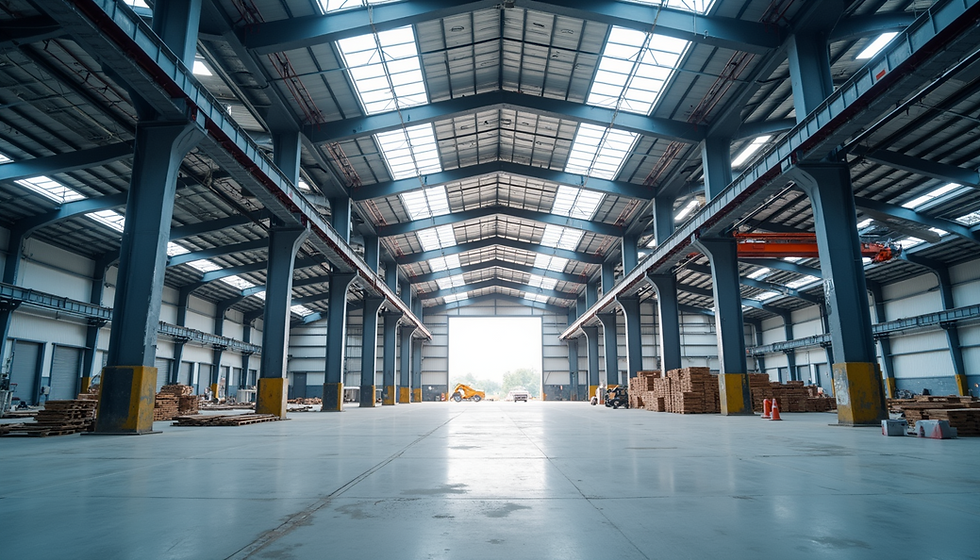
One key advantage of steel is its ability to support large open spaces without internal columns. This allows for flexible floor plans that can be adapted as your business grows or changes. Additionally, steel structures are resistant to pests, fire, and harsh weather, which reduces downtime and repair costs.
If you are considering new construction or upgrading an existing facility, it’s worth exploring options like industrial steel buildings that offer pre-engineered solutions. These can speed up the build process and ensure quality control.

Key Strategies to Optimize Industrial Steel Facilities
Optimizing your steel facility involves several factors, from design to daily operations. Here are some practical steps to consider:
1. Efficient Layout Planning
The layout of your facility directly impacts workflow efficiency. Start by mapping out the flow of materials, equipment, and personnel. Aim to minimize unnecessary movement and bottlenecks. For example, placing loading docks near storage areas can reduce transport time.
Use modular design principles to allow for future expansion or reconfiguration. Steel buildings are well-suited for this because of their flexibility. Consider incorporating mezzanine levels to maximize vertical space without increasing the building footprint.
2. Energy Efficiency Measures
Steel buildings can sometimes face challenges with insulation and temperature control. To optimize energy use, invest in high-quality insulation materials and reflective roofing. Installing energy-efficient lighting such as LED fixtures can also reduce electricity costs.
Ventilation is another critical factor. Proper airflow helps maintain a comfortable working environment and prevents moisture buildup, which can lead to corrosion. Automated ventilation systems can adjust airflow based on temperature and humidity levels.
3. Maintenance and Durability
Regular maintenance is essential to keep your steel facility in top condition. Inspect the structure periodically for signs of rust, loose bolts, or damage to protective coatings. Prompt repairs prevent small issues from becoming costly problems.
Implement a maintenance schedule that includes cleaning gutters, checking seals around doors and windows, and ensuring drainage systems are clear. Using corrosion-resistant paints and coatings can extend the life of your building.
4. Safety and Compliance
Safety should never be overlooked. Ensure your facility meets all local building codes and safety regulations. This includes fire safety systems, emergency exits, and proper signage.
Invest in safety training for your staff and conduct regular drills. Well-lit walkways, clear markings, and secure storage areas reduce the risk of accidents. Consider installing surveillance cameras and access control systems to enhance security.

Leveraging Technology in Industrial Steel Facilities
Technology plays a vital role in optimizing industrial steel facilities. From design software to smart building systems, there are many tools available to improve efficiency.
Building Information Modeling (BIM)
BIM software allows you to create detailed 3D models of your facility before construction. This helps identify potential design issues early and facilitates better coordination among architects, engineers, and contractors. It also supports future maintenance by providing accurate building data.
Automation and Smart Systems
Integrating automation in your facility can streamline operations. Automated doors, lighting, and climate control systems reduce energy waste and improve convenience. Sensors can monitor structural health, alerting you to any unusual stress or damage.
Inventory and Workflow Management
Using software to track inventory and workflow can optimize space usage and reduce downtime. Real-time data helps you make informed decisions about storage, production scheduling, and resource allocation.
Choosing the Right Partner for Your Steel Facility Project
Selecting a reliable supplier and builder is crucial for the success of your industrial steel facility. Look for companies with a proven track record in delivering high-quality pre-engineered steel buildings and prebuilt structures.
Ask about their experience with similar projects and request references. A good partner will offer design support, customization options, and post-construction services. They should also be transparent about costs and timelines.
When evaluating proposals, consider not just the initial price but the long-term value. Investing in quality materials and workmanship pays off through reduced maintenance and better performance.
Future-Proofing Your Industrial Steel Facility
Planning for the future is essential. Industrial needs evolve, and your facility should be able to adapt without major disruptions.
Design for flexibility: Use modular components and open floor plans.
Plan for expansion: Leave space for additional structures or equipment.
Incorporate sustainable practices: Use renewable energy sources and eco-friendly materials.
Stay updated on regulations: Ensure your facility complies with changing safety and environmental standards.
By thinking ahead, you protect your investment and maintain operational efficiency over time.
Conclusion: Continuous Optimization for Success
Optimizing industrial steel facilities is a continuous process that combines smart design, technology, and proactive maintenance. By applying these strategies, you can create a durable, efficient, and safe environment that supports your business goals. Whether you are building new or upgrading an existing structure, focusing on these key areas will help you maximize the benefits of your steel facility.
In summary, the journey to an optimized industrial steel facility involves careful planning, investment in technology, and a commitment to ongoing maintenance. Embrace these practices to ensure your facility remains a reliable asset for years to come.