Smart Strategies for Steel Building Construction
- StratCan Building Systems
- 2 days ago
- 4 min read

When it comes to building durable, cost-effective, and flexible structures, steel is a top choice. Over the years, steel building construction has evolved with new techniques that save time and money while maintaining high quality. In this post, I will share smart steel construction methods that can help you achieve efficient and reliable results for your next project. Whether you are developing industrial facilities, commercial spaces, or prebuilt structures, these strategies will guide you through the process.
Understanding Smart Steel Construction Methods
Steel construction is not just about using metal beams and panels. It involves a thoughtful approach to design, fabrication, and assembly. Smart steel construction methods focus on optimizing every step to reduce waste, speed up timelines, and improve safety. For example, pre-engineered steel buildings are designed in a factory setting with precise measurements and specifications. This reduces errors and allows for faster on-site assembly.
One key advantage of steel is its strength-to-weight ratio. This means you can build larger spans and taller structures without excessive material use. Smart methods take advantage of this by using modular components that fit together seamlessly. This modularity also allows for easier future expansion or modification.
To get the best results, it’s important to work with experienced fabricators and contractors who understand these methods. They can help you select the right steel grades, coatings, and connection types to suit your environment and building use.

Key Smart Steel Construction Methods to Consider
Here are some of the most effective smart steel construction methods that I recommend:
1. Pre-Engineered Steel Buildings (PEBs)
PEBs are factory-built steel structures designed to meet specific project requirements. They come with pre-cut and pre-drilled components that are shipped to the site ready for quick assembly. This method reduces construction time and labor costs significantly.
Benefits: Faster construction, less waste, consistent quality.
Applications: Warehouses, manufacturing plants, commercial buildings.
2. Modular Steel Construction
Modular construction involves fabricating sections or modules off-site and then transporting them to the site for assembly. This method allows for parallel work streams, where site preparation and module fabrication happen simultaneously.
Benefits: Reduced on-site disruption, improved safety, better quality control.
Applications: Office buildings, retail spaces, industrial units.
3. Advanced Steel Framing Techniques
Using advanced framing techniques such as cold-formed steel or light gauge steel framing can improve efficiency. These systems are lightweight but strong, making them ideal for non-load bearing walls or partitions within larger steel structures.
Benefits: Flexibility in design, faster installation, reduced material costs.
Applications: Interior walls, mezzanines, office fit-outs.
4. Integration of Building Information Modeling (BIM)
BIM technology allows for detailed 3D modeling of steel structures before construction begins. This helps identify potential clashes, optimize material use, and improve coordination among teams.
Benefits: Reduced errors, better project visualization, streamlined communication.
Applications: Complex industrial facilities, multi-story commercial buildings.
5. Use of High-Performance Coatings and Treatments
Steel is prone to corrosion if not properly protected. Applying high-performance coatings such as galvanization or powder coating extends the lifespan of steel components and reduces maintenance costs.
Benefits: Enhanced durability, improved aesthetics, lower long-term costs.
Applications: Outdoor structures, coastal environments, industrial plants.
By combining these methods, you can create a building process that is both smart and sustainable.
How to Implement Efficient Construction Methods in Your Project
Implementing smart steel construction methods requires careful planning and collaboration. Here are some practical steps to follow:
Define Your Project Goals Clearly
Understand your budget, timeline, and functional requirements. This will help you choose the right steel construction method.
Engage Experienced Professionals Early
Work with architects, engineers, and fabricators who specialize in steel buildings. Their expertise will guide design decisions and material selection.
Leverage Technology
Use tools like BIM to visualize the project and detect issues before they arise on site.
Plan for Logistics and Site Preparation
Ensure your site can accommodate delivery and assembly of large steel components. Proper site prep reduces delays.
Focus on Quality Control
Inspect materials and workmanship at every stage to maintain standards.
Consider Sustainability
Choose recyclable steel and energy-efficient coatings to reduce environmental impact.
If you want to explore more about efficient construction methods, I recommend checking out specialized providers who offer tailored steel building solutions.
Practical Examples of Smart Steel Construction in Action
To illustrate these methods, let me share a few examples:
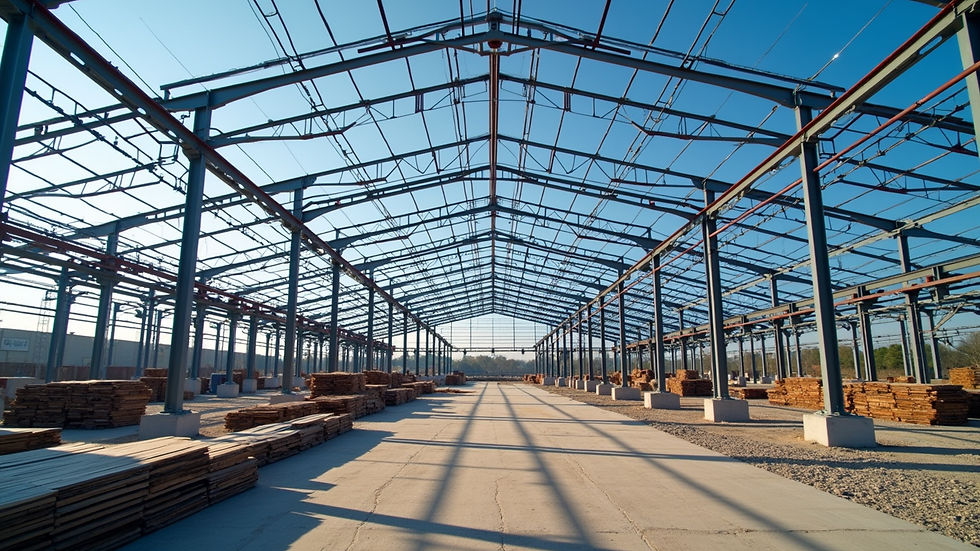
Industrial Warehouse: A company needed a large warehouse with clear spans and fast construction. They chose a pre-engineered steel building with modular panels. The factory fabrication took 6 weeks, and on-site assembly was completed in just 3 weeks, saving months compared to traditional methods.
Commercial Office Space: A developer wanted a flexible office building with open interiors. Using cold-formed steel framing for interior walls allowed quick reconfiguration of spaces as tenant needs changed. BIM was used to coordinate mechanical and electrical systems within the steel frame.
Manufacturing Plant: For a plant located near the coast, high-performance galvanized steel was selected to resist corrosion. The building was designed with BIM to optimize material use and reduce waste. Modular construction techniques minimized site disruption.
These examples show how smart steel construction methods can be adapted to different project types and environments.
What to Look for When Choosing a Steel Building Provider
Selecting the right partner is crucial for success. Here are some tips:
Experience and Reputation: Look for companies with a proven track record in pre-engineered and modular steel buildings.
Customization Options: Your provider should offer flexible designs tailored to your needs.
Quality Assurance: Check for certifications and quality control processes.
Support Services: Good providers assist with design, permitting, and after-sales support.
Sustainability Practices: Consider providers who prioritize eco-friendly materials and processes.
By choosing a reliable steel building provider, you ensure your project benefits from the latest smart construction methods and achieves your goals efficiently.
Moving Forward with Smart Steel Construction
Steel building construction is evolving rapidly, and adopting smart methods is key to staying competitive. By focusing on pre-engineered designs, modular construction, advanced framing, and technology integration, you can build structures that are strong, adaptable, and cost-effective.
If you are planning a new industrial or commercial building, consider these strategies to streamline your project. Remember, the right planning and partnerships make all the difference. Embrace smart steel construction methods to deliver high-quality buildings on time and within budget.
I hope this guide helps you make informed decisions and inspires you to explore innovative steel building solutions. The future of construction is smart, and steel is at the heart of it.



Comments