Custom Modular Homes Canada: What to Know
- StratCan Building Systems
- 4 days ago
- 6 min read

If you are comparing build options for a new home, the biggest question usually is not style. It is risk. Delays, weather exposure, labor shortages, cost overruns, and inspection issues can turn a straightforward project into a long and expensive one. That is exactly why more buyers are looking at custom modular homes Canada offers as a practical alternative to a fully site-built house.
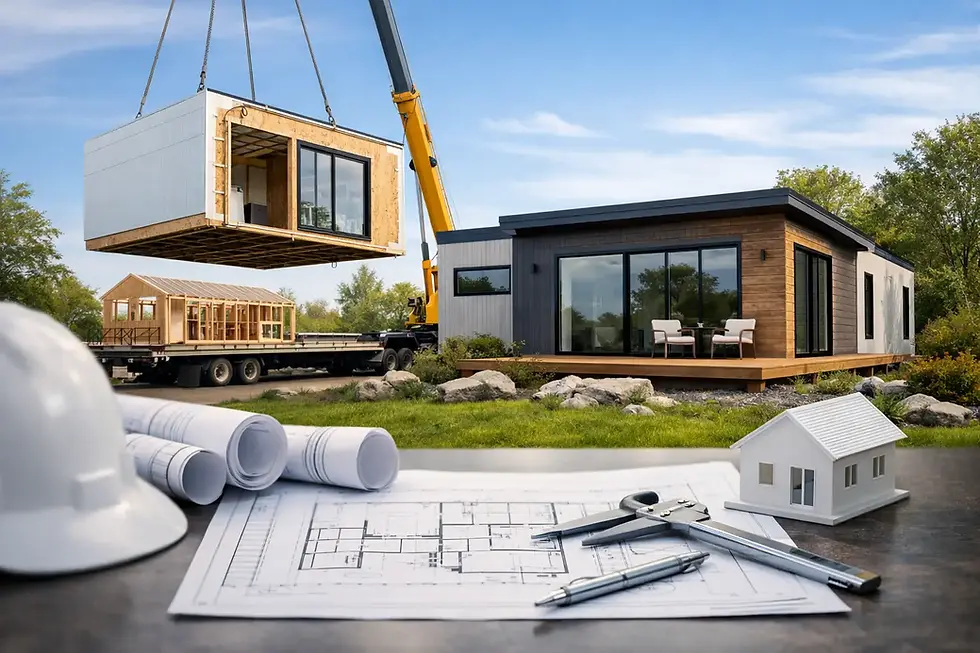
A modular home is not a compromise product. It is a permanent home built in sections in a controlled factory setting, then delivered to your land and installed on a proper foundation. When the manufacturer, specifications, and delivery plan are handled properly, the result is a code-compliant home with predictable quality, shorter build timelines, and real design flexibility.
Why custom modular homes Canada buyers are considering
The main advantage is control. Factory construction reduces weather-related delays and protects materials during production. Instead of framing a home outdoors through rain, wind, or freezing temperatures, the structure is assembled in a controlled environment with repeatable processes and quality checks.
That matters in any province, but it is especially relevant in regions where construction seasons are tight and site conditions can change quickly. Buyers who want a dependable path from design to delivery often prefer a system that narrows the variables.
There is also a financing and insurance benefit when the home is built to recognized standards. Many buyers are more comfortable moving forward when the product is CSA-certified and designed to meet applicable building code requirements. Certification does not remove every step in the approval process, but it can make the path more straightforward.
The other reason demand is growing is customization. People often assume modular means choosing from a limited catalog and accepting a one-size-fits-all layout. In practice, many factory-built homes can be tailored in meaningful ways, from floor plan adjustments and exterior finishes to kitchen layouts, window packages, roofing options, and energy-efficiency upgrades.
What “custom” really means in modular housing
Customization exists on a range. At one end, you may select from a standard model and personalize finishes, fixtures, and certain layout details. At the other, you may start with a base concept and modify room sizes, add sections, revise exterior appearance, or configure the home around your site and household needs.
What you can change depends on the manufacturer, transportation limits, engineering requirements, and local code considerations. For example, open-concept living areas, extra bedrooms, home offices, mudrooms, and upgraded kitchens are often realistic requests. Major structural changes can also be possible, but they need to be reviewed early because they affect engineering, production scheduling, and transport.
That is where buyers benefit from working with a supplier that understands both the product and the delivery region. A well-managed modular project is not just about choosing a floor plan. It is about matching design choices to site access, foundation requirements, code compliance, and installation logistics.
The real advantages over a site-built approach
Speed is usually the first thing buyers notice. Site work and factory production can often move forward on parallel timelines. While your land is being prepared and the foundation is being planned, the home itself may already be in production. That overlap can reduce the total time to occupancy.
Cost control is another strong reason buyers choose modular construction. It would be inaccurate to say every modular home is cheaper than every site-built home. High-end finishes, complex designs, difficult lots, and remote delivery can change the equation. But modular construction often gives buyers more predictable pricing because much of the work happens in a controlled process before the building reaches the site.
Quality consistency also deserves more attention than it usually gets. In a factory setting, crews work with established methods, materials are stored properly, and production is monitored step by step. That does not guarantee perfection, but it supports a more disciplined build process than a project exposed to changing weather and variable site conditions.
Where buyers need to be realistic
Modular homes solve many common construction problems, but they do not eliminate planning. Land prep, excavation, permits, utility hookups, foundation work, cranes if needed, and final site finishing still matter. If the site is remote, narrow, steep, or difficult to access, transportation and installation costs can rise.
Customization also has practical limits. If a buyer expects unlimited architectural freedom at entry-level pricing, that expectation usually needs adjustment. The most cost-effective modular projects are the ones that balance personalization with the efficiencies of factory production.
Timing can vary too. Factory-built homes are generally faster, but production slots, permit timelines, transportation scheduling, and seasonal site conditions all affect the final schedule. A dependable supplier should give you a realistic timeline, not just the fastest one.
How to evaluate custom modular homes Canada suppliers
Start with standards and certification. Ask whether the home is built to CSA standards and how the design aligns with the code requirements for your area. This is not a paperwork detail. It affects approvals, lender confidence, insurer comfort, and the overall credibility of the build.
Next, ask how the customization process works. Some suppliers offer broad flexibility but need decisions locked in early. Others work from a tighter standard model lineup. Neither is automatically better. The right fit depends on whether your priority is maximum design freedom, controlled pricing, or a faster ordering process.
You should also ask detailed questions about scope. Buyers sometimes compare prices without confirming what is actually included. Does the quoted amount cover delivery? Site installation? Foundation coordination? Interior finish level? Utility connection planning? Permits? A lower quote is not necessarily a lower project cost.
Regional experience matters as well. A supplier serving Newfoundland and Labrador, for example, needs to understand transport realities, local permit expectations, climatic demands, and the practical issues that affect off-site construction delivery. That local understanding can prevent avoidable delays and specification mistakes.
Design choices that have the biggest impact
Not every upgrade delivers equal value. Layout decisions tend to matter more over the long term than purely cosmetic ones. A better kitchen workflow, more storage, a dedicated entry zone, or a properly planned utility area will usually improve daily use more than trend-driven finish changes.
Energy performance is another area worth careful attention. Insulation levels, window quality, air sealing, and heating system choices affect operating costs long after installation. In colder climates, these choices are not just about comfort. They directly shape monthly ownership costs.
Exterior materials should also match the exposure of the site. Wind, moisture, and winter conditions can influence which siding, roofing, and entry systems make the most sense. This is one of the reasons buyers benefit from guidance grounded in regional building conditions rather than generic product advice.
What the process should look like
A well-run modular home project is structured, not improvised. It should begin with a clear discussion of your land, budget, design needs, and expected timeline. From there, the home specification should be developed with attention to code compliance, transport constraints, and site readiness.
Once the design and pricing are defined, the next phase is coordination. That includes production scheduling, delivery planning, and the site-side work required before the home arrives. If those pieces are not aligned, even a well-built home can face unnecessary delays once it reaches the property.
The strongest suppliers are disciplined about this stage. They set expectations early, define what is included, and help buyers understand what must be completed before delivery. That structure is a large part of the value.
For buyers who want a Canadian-made, code-compliant home with a more predictable path to completion, this is where factory-built construction stands out. Companies such as StratCan Building Systems focus on that practical side of the purchase - certified products, customization that fits real project conditions, and delivery planning grounded in regional experience.
Is a modular home the right fit for you?
If your priority is unlimited architectural experimentation, a traditional custom site-built project may offer more freedom. If your priority is a permanent home with dependable quality, shorter timelines, and controlled construction conditions, modular is often the stronger option.
The key is to evaluate the whole project, not just the floor plan. Look at certification, site conditions, scope clarity, energy performance, and supplier experience. Buyers who ask the right questions early usually end up with a smoother project and fewer surprises after delivery.
A new home is a major investment, and the best decisions usually come from reducing uncertainty wherever you can.