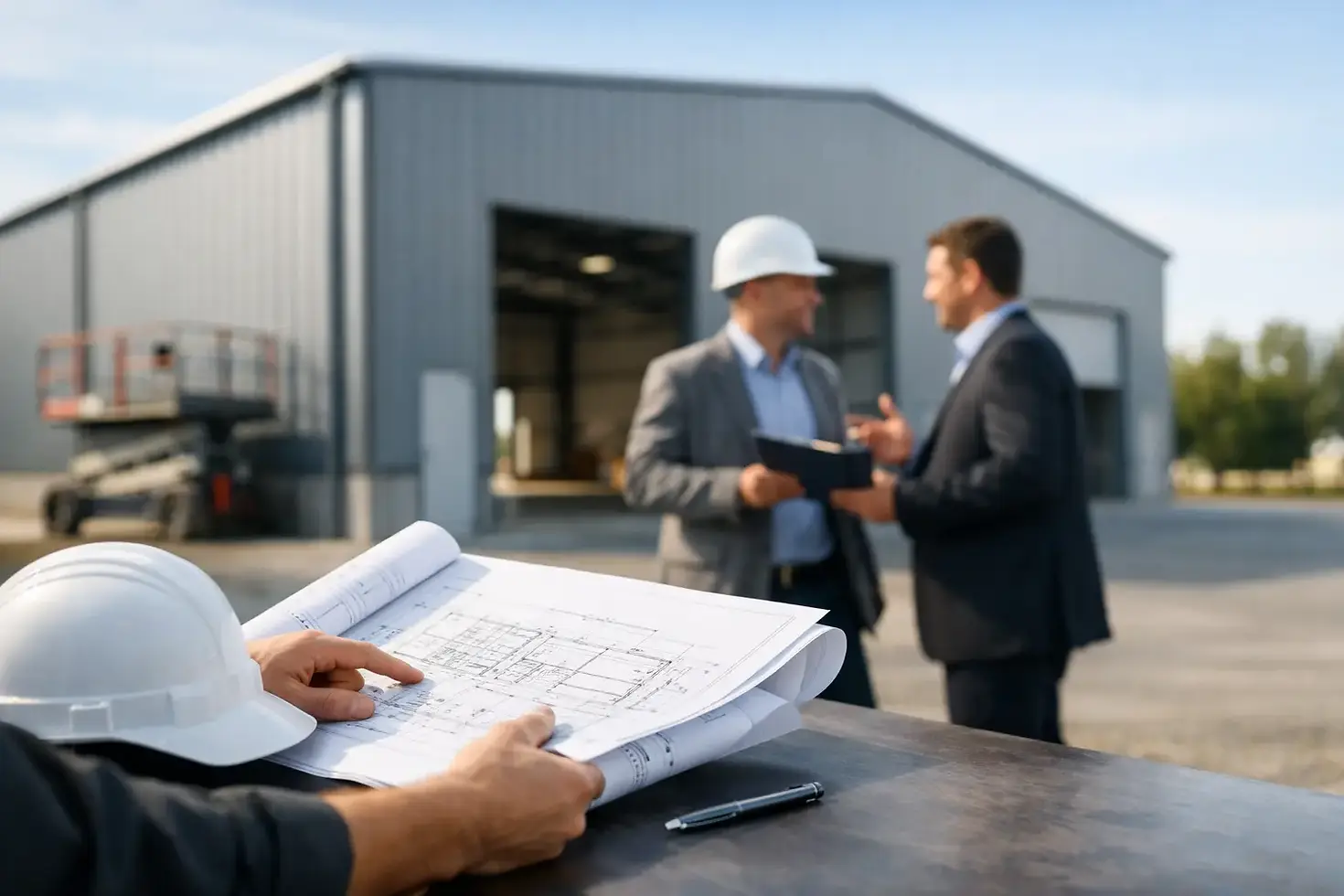
If a steel building is going on your property, the supplier matters just as much as the design. A CSA A660 steel building supplier is not simply selling steel packages. They are supplying a system that needs to meet certification requirements, perform under local loads, and arrive with the documentation builders, lenders, insurers, and permit offices expect.
That distinction becomes more important when the building is expected to handle demanding snow, wind, and use conditions. Whether you are planning a warehouse, equipment shed, workshop, agricultural building, or commercial facility, the right supplier reduces risk before the first truck shows up.
What a CSA A660 steel building supplier actually provides
CSA A660 is the Canadian certification standard that applies to metal building systems. In practical terms, it is about more than a frame and panels. It addresses whether the building system is manufactured under a certified quality program and whether the supplier is producing components in a controlled, documented way.
For buyers, that matters because steel buildings are not all delivered with the same level of oversight. One supplier may offer a low upfront number but leave major questions around engineering, documentation, code acceptance, or consistency in production. Another may provide a certified system with traceable processes, engineered drawings, and a clearer path through permitting and construction.
A qualified supplier should be able to explain the certification in plain language. They should also be clear about what is included in the building package, what engineering is provided, what code requirements are being addressed, and what site-specific items still need to be handled by others. If those answers are vague, that is usually a warning sign.
Why CSA A660 matters before you buy
Buyers often look at building size, door layouts, and price first. Those are reasonable starting points, but certification affects the project much earlier than many people realize.
A CSA A660 certified system helps support confidence in the building package because it is tied to manufacturing controls and recognized standards. That can make discussions with permitting authorities, financing providers, insurers, and project stakeholders more straightforward. It also helps establish that the building is not being pieced together casually or supplied without a formal quality structure behind it.
That does not mean certification alone guarantees the building is right for your project. A certified system still has to be properly specified for the use, site conditions, and local code requirements. A supplier who understands that difference is usually more valuable than one who treats certification as a slogan.
How to evaluate a CSA A660 steel building supplier
The best way to assess a supplier is to look past broad claims and focus on how they manage real project variables.
Certification should be current and relevant
Start by confirming the supplier is actually providing a CSA A660 certified metal building system, not just using certification language loosely. Ask what the certification covers, which manufacturing partner is certified, and what documentation will be available for your project.
If the answer is indirect or overly sales-driven, keep pushing. A dependable supplier should be comfortable discussing standards, compliance, and engineering deliverables without hesitation.
Engineering should match the site, not a generic assumption
Steel buildings are not one-size-fits-all. A building designed for one region may not be suitable for another without changes to loading criteria, connections, and secondary framing.
This is especially important in areas with challenging weather exposure. A supplier should be able to speak clearly about design loads, occupancy use, building dimensions, foundation interface, and any project-specific conditions that may affect the system. If they only quote a standard package without discussing the site, you may be comparing a number, not a solution.
Scope clarity matters as much as price
One of the biggest causes of project frustration is unclear scope. A quote may appear competitive until you realize key items were not included. That can involve engineering, anchor bolts, trim, insulation systems, overhead door framing, erection support, or delivery coordination.
A good supplier defines what is included and what is excluded. That gives you a more realistic view of the total build cost and reduces change-order surprises later.
Lead times need to be realistic
Predictable scheduling is one of the main reasons buyers choose prefabricated systems. Even so, lead times vary based on design complexity, production capacity, and seasonal demand.
A reliable supplier will give you a realistic manufacturing and delivery timeline, not just the timeline you want to hear. That honesty matters when the building is tied to business operations, equipment storage, or a seasonal construction window.
Local knowledge is not optional
A steel building supplier can offer a certified product and still fall short if they do not understand the region where the project is being installed. Site access, freight planning, weather exposure, permitting expectations, and construction sequencing all affect the outcome.
That is where a regional supply partner adds value. In Newfoundland and Labrador, for example, buyers are not only looking for a compliant steel package. They need a building system engineered for local climatic demands and supplied by a company that understands delivery and project coordination in the province. StratCan Building Systems positions its offering around that practical gap between national manufacturing capability and local project execution.
This point is often underestimated. The building may be manufactured in a controlled facility, but the success of the project still depends on what happens before delivery and after the package arrives.
Questions worth asking before you commit
When buyers rush to compare prices, they often skip the questions that reveal how a supplier actually works. A few direct conversations can save significant time and cost later.
Ask whether the building system is CSA A660 certified and what project documents are included. Ask how the supplier addresses site-specific loads and local code requirements. Ask what assumptions are built into the quote. Ask who coordinates revisions if your layout changes. Ask how delivery timing is managed and what support is available if questions come up during installation.
None of those questions are complicated, but the answers tell you whether the supplier is organized, experienced, and prepared to support a real project rather than just issue a price sheet.
Common mistakes buyers make
The most common mistake is choosing strictly on upfront price. Lower pricing can be legitimate, but it can also reflect missing scope, weaker documentation, or a building package that is not properly aligned with the project.
Another mistake is assuming certification solves every issue. It does not. A certified system still needs correct design criteria, clear coordination, and accurate project planning.
Buyers also sometimes underestimate future use. A building that works for cold storage today may need insulation upgrades, interior liner systems, larger openings, or different loading considerations tomorrow. The right supplier will discuss those possibilities early so the building does not become restrictive later.
What the best supplier relationship looks like
A strong supplier relationship is usually straightforward. You explain the use, dimensions, and site conditions. The supplier asks detailed questions, identifies any code or loading issues, clarifies the package scope, and provides a proposal that can be evaluated with confidence.
There is no guesswork about certification. No confusion around engineering. No inflated promises on schedule. Just a building system that is specified properly and supplied with discipline.
That is what serious buyers should expect, especially for commercial, industrial, agricultural, and storage projects where delays and specification mistakes carry real costs.
Choosing with fewer surprises
If you are comparing steel building options, do not treat the supplier as a middle step between design and delivery. They are a major part of the risk profile of the project. The right CSA A660 steel building supplier helps protect schedule, compliance, and long-term performance. The wrong one can leave you sorting out missing details when the project is already moving.
A better buying decision usually comes down to a few simple tests. Is the certification clear? Is the engineering matched to the site? Is the quote complete? Is the timeline believable? And does the supplier understand the practical realities of getting the building onto your property and into service?
When those answers are solid, the project tends to move with fewer surprises and more confidence. That is usually the difference between buying a steel building and securing a building system that is ready to work.


